
Marketing researchers at the University of Maryland’s Robert H. Smith School of Business have produced an artificial intelligence-based model that they say, “predicts digital customer behavior and delivers personalized marketing insights across complex, multi-touchpoint journeys—outperforming traditional methods in both precision and ROI.”
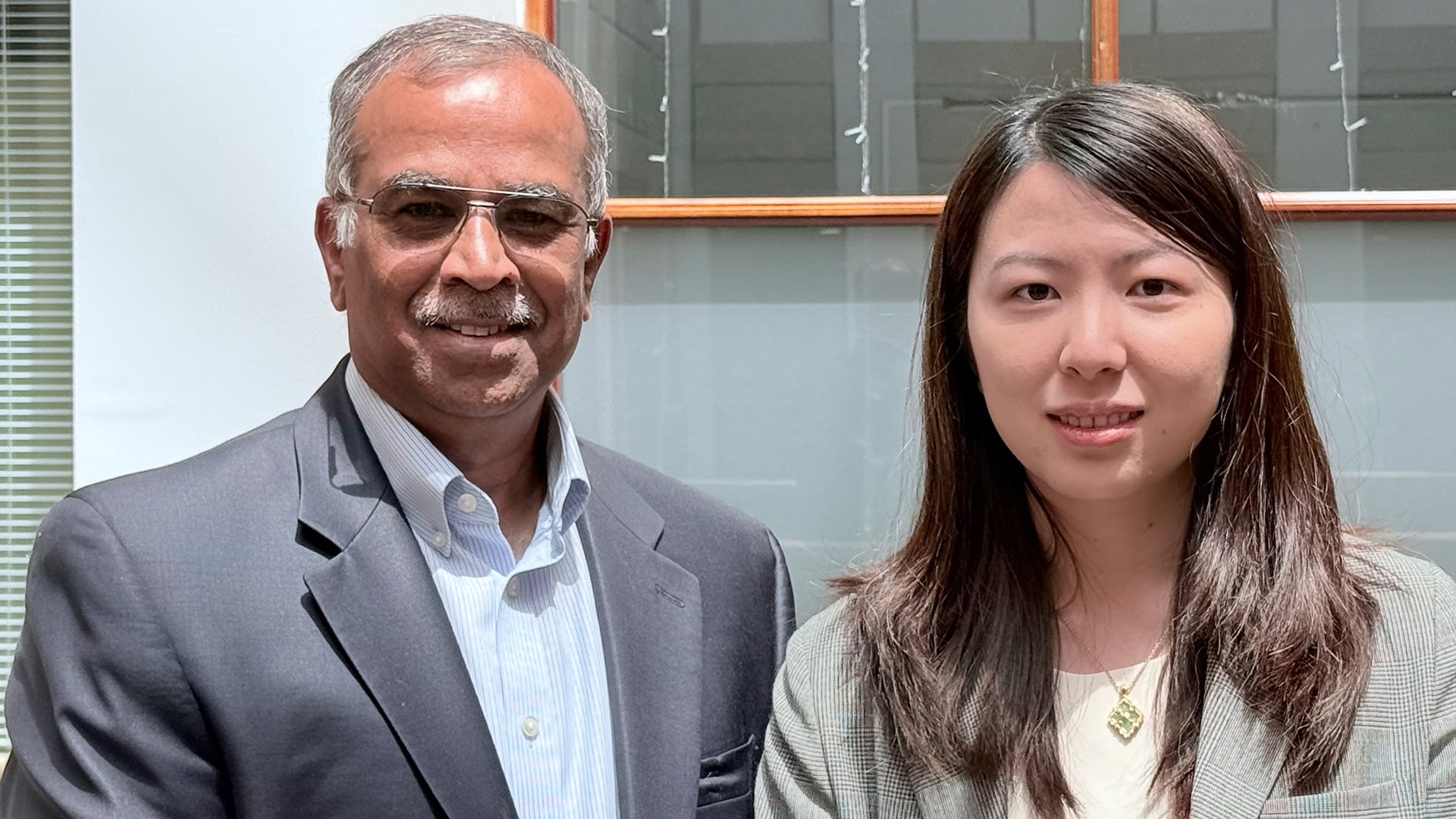
Forthcoming in the Journal of Marketing Research, “AI for Customer Journeys: A Transformer Approach,” applies transformer-based models—originally developed for language processing—to analyze complex, multi-channel sequences of customer interactions. “Transformers give us the ability to see the journey as a whole, not just as a series of isolated interactions. That’s a major leap in marketing analytics, says Dean’s Chair in Marketing Science P.K. Kannan, who co-authored the work with marketing PhD candidate Zipei Lu.
Unlike traditional journey methods and models (such as LSTMs and Hidden Markov and Poisson Point Process models), Kannan and Lu say their approach “captures both the timing and nature of each touchpoint, making it ideal for today’s fragmented, multi-touch marketing environments.”
A central contribution of the paper is the integration of customer-level heterogeneity within the transformer architecture. This allows the model to deliver individualized insights into how different customers respond to marketing actions over time.
“We designed the model to capture the complexity and individuality of digital customer journeys—something traditional models often overlook,” says Lu.
Kannan adds, “Incorporating customer heterogeneity allows us to move beyond one-size-fits-all journey maps. We’re now able to understand how different customers respond over time—and act on it.”
The authors used detailed journey data from a large hospitality firm, covering over 92,000 users and more than 500,000 touchpoints.
The resulting model, says Lu, “doesn’t just tell us who’s likely to convert. It tells us why, and more importantly, when to act.”
In addition to predictive performance, the model offers rich managerial insights:
- Distinguishes between firm-initiated and customer-initiated touchpoints
- Identifies optimal window for marketing intervention
- Enables latent profiling to distinguish behavioral patterns, such as last-minute bookings vs. early planners
“This approach turns raw customer data into tailored insights that marketers can actually use—to optimize interventions, allocate budgets, and drive conversions.” Kannan says.
By combining deep learning with interpretability and personalization, the authors say their research advances marketing analytics toward real-time, data-driven decision-making—empowering managers to maximize ROI and customer engagement in increasingly complex digital ecosystems.
Read the research, “AI for Customer Journeys: A Transformer Approach,” forthcoming in the Journal of Marketing Research.
Media Contact
Greg Muraski
Media Relations Manager
301-405-5283
301-892-0973 Mobile
gmuraski@umd.edu
Get Smith Brain Trust Delivered To Your Inbox Every Week
Business moves fast in the 21st century. Stay one step ahead with bite-sized business insights from the Smith School's world-class faculty.